Article
Emergency Dentistry 101: What to Do When Every Minute Matters
The Willis Family Dentistry team
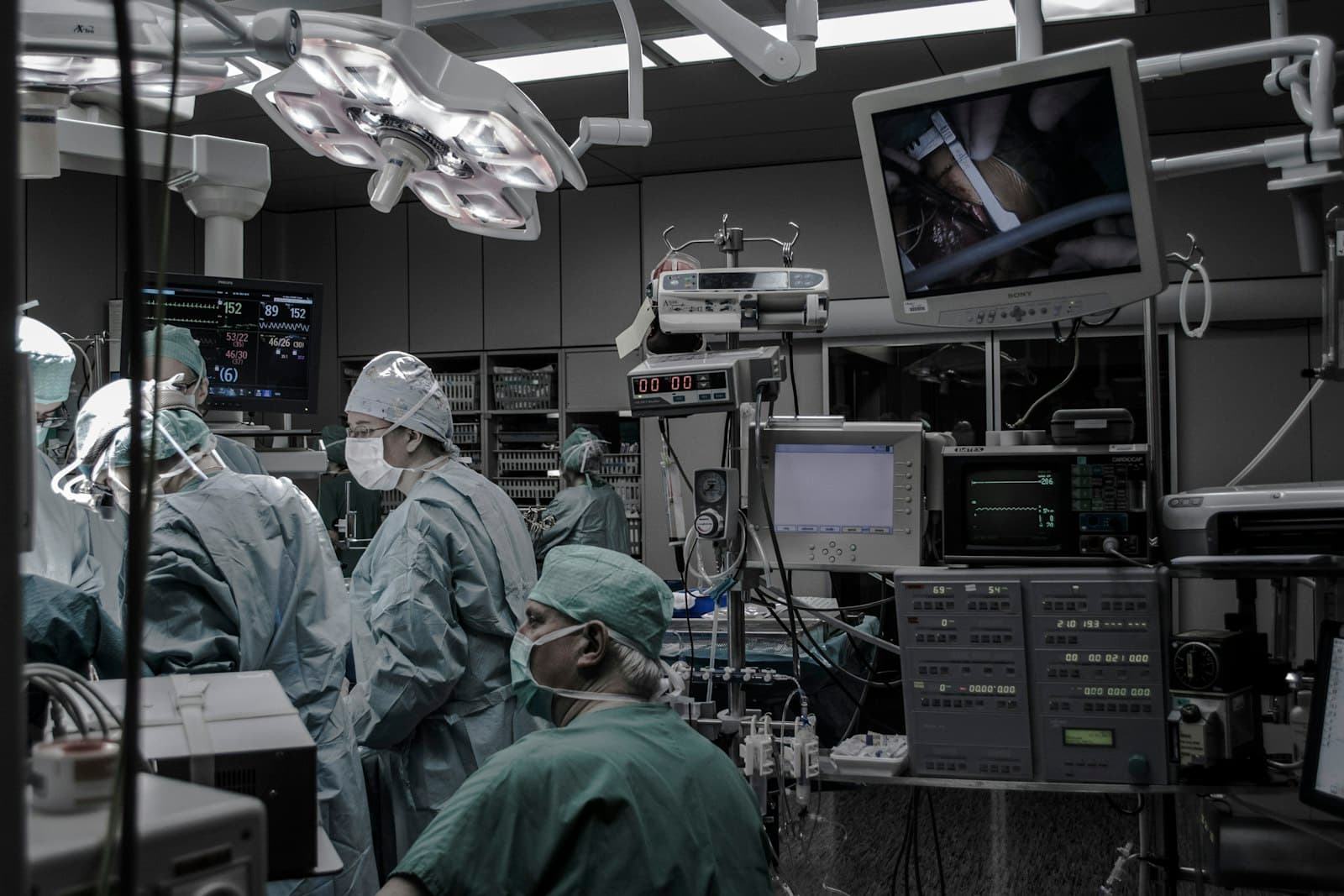
Emergency dentistry is the part of oral health care that feels most like emergency medicine: it is fast, decisive, and centered on stabilizing patients who are in severe pain or at risk of losing a tooth. At Willis Family Dentistry, we see emergency visits every day across our 22 Virginia practices, so we have a reliable playbook for guiding patients from that panicked moment to long-term relief.
What Counts as a Dental Emergency?
Patients often ask whether their situation warrants an urgent appointment. As a rule of thumb, you should contact an emergency dentist immediately when you experience uncontrolled oral bleeding, sudden or escalating facial swelling, a tooth that has been knocked out or dislodged, or pain that prevents you from eating, sleeping, or concentrating. Infection symptoms, such as fever, foul taste, or pus around the gums, also demand rapid evaluation because they can spread to the airway or bloodstream. In short, if you would not ignore the same symptom elsewhere in your body, you should not ignore it in your mouth.
There are also “silent emergencies” that do not hurt until it is almost too late. A cracked crown, a small chip in an implant, or a lingering sensitivity after a filling may seem manageable, but these issues can expose the inner layers of a tooth to bacteria and lead to abscesses. Calling sooner rather than later gives your dentist more options for conservative treatment.
How to Triage a Dental Emergency at Home
While you are arranging an appointment, follow these simple steps to minimize complications:
- Control bleeding. Apply firm, continuous pressure with clean gauze or a tea bag. If bleeding does not slow within 15 minutes, head to the nearest hospital ER.
- Protect the tooth. For a knocked-out permanent tooth, hold it by the crown, rinse gently, and try to reinsert it. If that is not possible, store it in cold milk or a tooth preservation kit and bring it to the office within one hour.
- Reduce swelling. Use a cold compress in 10-minute intervals. Avoid direct heat, which can intensify inflammation.
- Manage pain wisely. Over-the-counter ibuprofen or acetaminophen (unless contraindicated) can take the edge off. Skip aspirin on open wounds, it can prolong bleeding, and do not place pain relievers directly on the gums, which can cause chemical burns.
- Avoid “DIY dentistry.” Temporary dental cement can hold a crown in place for a day, but superglue, wire cutters, and files absolutely cannot.
The Most Common Emergencies We Treat
Across our emergency dentistry schedule we tend to see five categories of problems:
- Cracked or fractured teeth. These often follow a sports injury or biting an unpopped popcorn kernel. Hairline fractures may only need bonding, while major fractures can require root canal therapy and a crown the same day.
- Dental abscesses. Untreated decay or gum disease allows bacteria to penetrate the pulp, causing intense, throbbing pain. Emergency root canal therapy and antibiotics stop the infection from spreading to the jaw or airway.
- Avulsed (knocked-out) teeth. When we reimplant a tooth within 60 minutes, there is a 90 percent chance it will reattach. Speed and proper handling make all the difference.
- Broken restorations. Lost fillings, cracked bridges, or broken dentures can leave sharp edges that cut soft tissue and expose nerves. We keep multiple material shades in stock so we can repair or replace restorations in one visit.
- Orthodontic emergencies. A poking wire or broken bracket can delay treatment and injure cheeks or gums. We trim, rebond, or replace the hardware and provide orthodontic wax for comfort.
Why Quick Care Matters for Whole-Body Health
People often separate emergency dentistry from the rest of emergency medicine, but the mouth is directly connected to cardiovascular, respiratory, and immune systems. Untreated oral infections have been linked to bacterial endocarditis, worsening diabetes control, and even increased risk of stroke. Severe dental pain also spikes cortisol levels, triggers sleep deprivation, and limits nutrition, all of which slow healing elsewhere in the body. Rapid intervention protects more than your smile; it protects your overall health.
Our Emergency Dentistry Protocol at Willis Family Dentistry
Because we operate 22 locations across Central and Western Virginia, we can triage calls and route patients to the first available chair. Here is how our protocol works:
- 24/7 call coverage. After-hours calls forward to our on-call team, who can prescribe interim medications and schedule next-day care.
- Same-day imaging. Every office is equipped with digital radiographs and CBCT scanners, so we can diagnose fractures, impacted teeth, and sinus involvement immediately.
- In-house specialists. Our network includes endodontists, periodontists, oral surgeons, and IV-sedation dentists, reducing the time patients spend bouncing between referrals.
- Transparent financial planning. We verify insurance benefits while you are en route and review payment options before care begins, so there are no surprises.
Most importantly, we focus on compassionate chairside communication. Patients arrive anxious, exhausted, or embarrassed; they leave confident that there is a blueprint for recovery.
Preventing the Next Midnight Dental Emergency
No practice can eliminate every urgent visit, but the following habits dramatically reduce risk:
- Wear a professionally fitted mouthguard during sports and at night if you clench or grind.
- Schedule regular cleanings and fluoride treatments to strengthen enamel.
- Address minor cracks, sensitivity, or gum inflammation before they escalate.
- Store a dental emergency kit at home with gauze, ibuprofen, temporary cement, and our office numbers.
- Teach children how to handle avulsed teeth and remind teens to avoid using their teeth as tools.
When You Should Go to the ER First
There are moments when emergency medicine takes priority over emergency dentistry. Head directly to the emergency room if you experience uncontrolled bleeding, difficulty breathing, loss of consciousness, or trauma that involves the jawbone or other facial structures. Emergency physicians can stabilize you, and we will coordinate definitive dental treatment as soon as you are cleared.
How to Reach Us Right Now
If you, a family member, or a coworker is dealing with an urgent dental problem, call Willis Family Dentistry at (804) 358-3585 or visit our website’s emergency page to find the nearest office. We keep time blocked each day for walk-in emergencies and can usually provide same-day definitive care. Whether you need a simple filling, an emergency root canal, or a fully restored smile after trauma, our team delivers the kind of responsive, compassionate care that every emergency deserves.